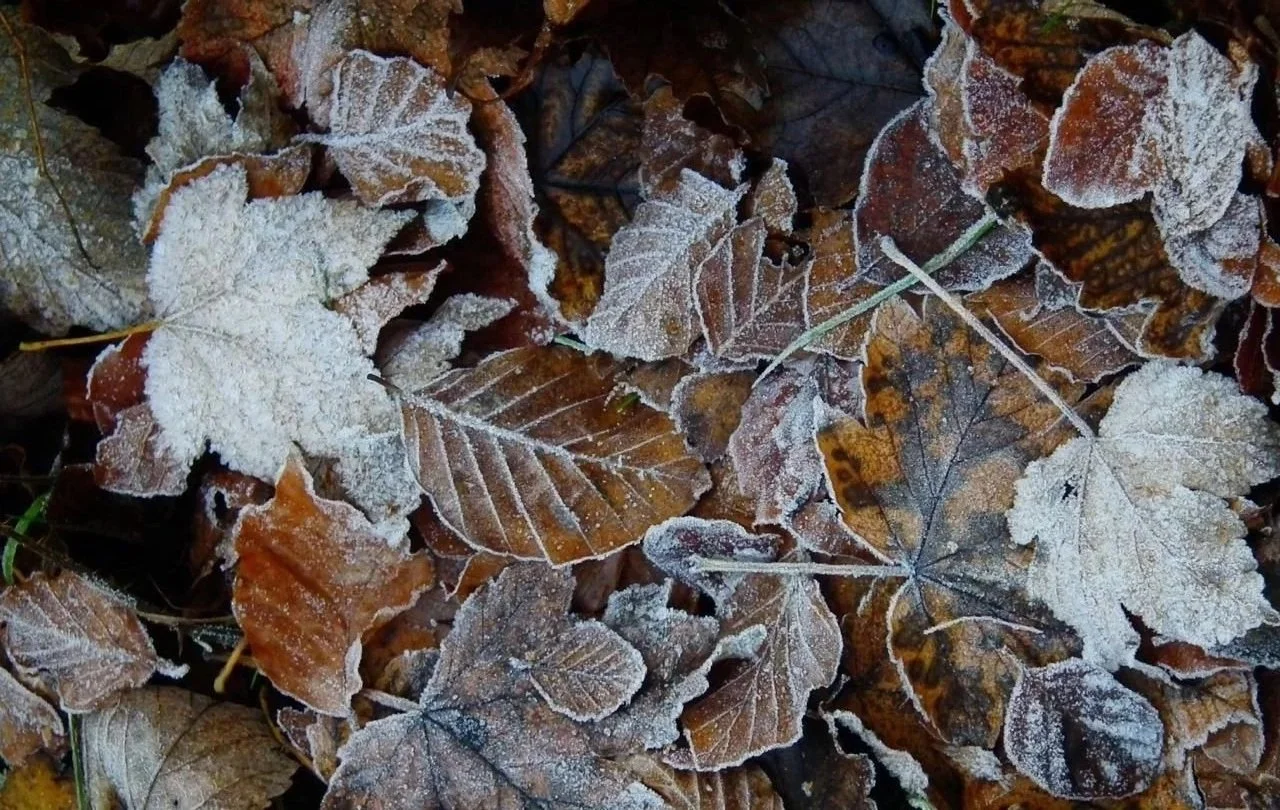
In the 24 Solar Terms calendar we have arrived at Lì Dōng, the Beginning of Winter. It begins on November 7th, when the sun reaches 225 degrees of celestial longitude, and it is one of the four great “establishings” of the year, alongside Lì Chūn, Lì Xià and Lì Qiū. Each of the 24 solar terms is 2 weeks long, so we will be gently landing in this transition through the Scorpio season.
The character 立 lì means to stand, to set up, to establish. The character 冬 dōng is winter, and in its oldest form it shows a thread tied off at both ends: a completion, the end of a cycle. Lì Dōng is the moment the year ties the knot and turns inward.
Nature begins its withdrawal. The sap has gone down into the roots. Animals thicken their coats and look for the den. The water in rivers and lakes starts to still, and in the north the ground hardens. Whatever was gathered in autumn is now stored, sealed, put away for the dark months.
In the body, the Water element officially takes the lead. The Kidney season begins. Qi that moved outward through the warm half of the year now sinks and consolidates, returning to the lower body, the pelvis, the bones, the deep inner core. In Daoist understanding this is the time of 藏 cáng, storage. Winter is when we protect and rebuild Jing, the essence held in the Kidney vault, and the eighteen days of Earth that carried us from late autumn into this threshold are now complete.
Water Controls Fire
Lì Dōng carries particular weight in the Fire Horse year. For nine months the year has run hot, fast and outward, and it’s only natural that many have felt the pull to accomplish more, to keep going with all the exciting momentum. Winter is the season that answers that heat. Water controls Fire in the Five Element cycle, and what that means in practice is that the next three months are the year’s correction, the point where the reserves that fuelled everything get replenished or symptoms of depletion start showing up.
Think of the year as a candle. The Fire Horse flame burned bright through spring and summer. Winter is when the wax is replenished. What you restore between now and Lì Chūn in February (the next 12 weeks) is what you will have to draw on when the fire returns.
If you allowed autumn’s to held with gathering you energy back into the center, you may feel the descent arriving as relief, a softening, a deep readiness to slow. If the year felt intensely stimulating and you are still on the high, the first signs of winter may show up as fatigue that sleep doesn’t resolve, cold hands and feet, low back ache, a wish to be left alone. Meet this with kindness. The body is asking for a season rest and integration.
The Kidney Vault Opens
The Kidneys hold the deepest reserves of the body: the prenatal Jing we are born with, which can be protected but never replaced, and the postnatal Jing we build through longevity food, moderation and conisitent cultivation. Winter is the season of building, and Lì Dōng is the door.
The Kidneys govern the bones and the marrow, the ears and hearing, the hair on the head, the lower back and knees, the reproductive system, and the deep stillness from which willpower (zhì) arises. As the Kidney season begins, you may notice these areas speaking more clearly: sensitivity to cold, stiffness in the lower back on waking, hairfall, a change in libido, sleepiness earlier in the day. These are messages from your “treasury”, asking for warmth, care and rest.
Fear is the emotion of Water. As the days shorten and the Kidneys come into their season, old fear can rise to the surface, often without a clear story attached. A sense of unsafety, of contraction, of wanting to brace. In the Fire Horse year, fear can also appear as its opposite, restlessness, an inability to settle into the stillness winter asks for. Both are the Kidneys speaking. The Daoist response is to warm the Kidneys and anchor the Heart’s fire down into the Water: Kidney breathing into the lower back, the Inner Smile directed to the Kidneys, the Heart–Kidney meditation where the warmth of the Heart is drawn down into the vault. Fear met with warmth becomes wisdom and stillness.
Lì Dōng is also the threshold where the sexual energy of the body sinks back into the root. Through summer it moved outward, expressive and visible. In winter it draws back into the Kidneys to be stored and refined. Women who practise feminine cultivation find winter the most fertile season for inner work: the energy is already turning inward, already consolidating, and the practice is simply sustaining this intent.
Nourishment During Lì Dōng
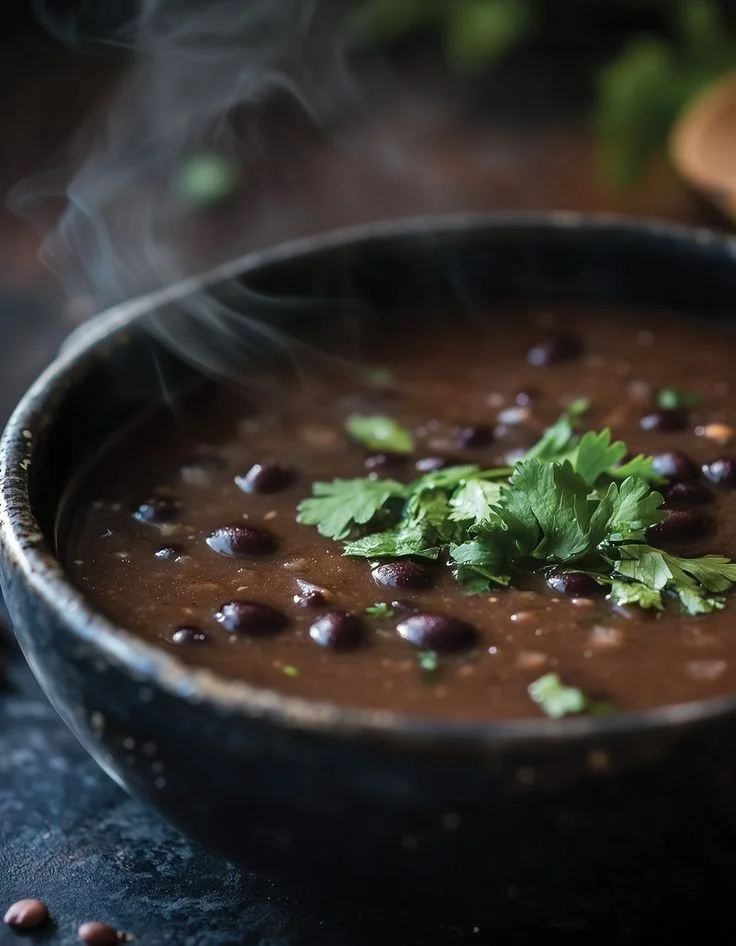
As the weather cools in late autumn, the body’s elemental energy cools with it. That is why we start to crave cozy, comforting foods like mashed potatoes, spiced chai and warm apple pie. The craving is accurate. The classical principle for this term is 立冬補冬, “at Lì Dōng, nourish for winter,” and in northern China families still mark the day with a warming meal, often dumplings. The body is asking for its seasonal maintenance break.
It is time to switch from fresh raw produce and cooling salads to warm cooked meals that support the digestive fire through winter. Stews, soups and broths release more aroma than cold food, and those smells stimulate the senses and prime the body for absorption. Cooking also unlocks nutrients that only become bioavailable once heated. Long-simmered broths of fish, seaweed and mushroom, congee, braised roots: the longer the cooking, the more the food carries the warmth and consolidation the season is asking for.
Cold salads can be healthy, but when the weather turns cold they tend to increase cravings for refined sugar and flour, which offsets the benefit of all those greens. When we eat natural starches such as rice, whole grains, potatoes, squash, peas and yams, sugar cravings typically settle. If sweet goodies are a weakness, the answer is usually more warm starch at meals rather than more willpower. Whole grains, beans and legumes take longer to break down than simple carbohydrates, and that extra digestive work keeps us warm from the inside.
Energetically warming foods in the Chinese tradition are foods with building power; they help restore the organs and tissues. The most decadent flavours of the late harvest, sweet potatoes, winter squash and pumpkin, are good for digestion and help stave off the chill. Spices like ginger, cinnamon, cumin, garlic and pepper add flavour and benefit digestion. Make them part of your dishes this season, or sip them as a digestive tea at the end of meals.
Winter belongs to the Water element, and Water has its own flavour and colour. The flavour is salty, in small amounts: salt draws energy downward and inward and softens what has hardened. The colour is black. Black sesame, black beans, black rice, seaweed, walnuts and chestnuts all feed the Kidneys, and dark chocolate in moderation belongs on the list. Dark fish, oily fish and shellfish are the Water element’s own harvest and its most resonant Jing foods. Culinary and medicinal mushrooms, shiitake, maitake, lion’s mane, chaga and reishi, are reliable allies for the immune system as it adapts to the colder months.
Kidney-tonifying herbs come into the kitchen now: goji berries, red dates, cinnamon bark, a slice of fresh ginger in the morning, He Shou Wu for those rebuilding hair and Jing. Nettle tea, rich in minerals, supports the Kidneys and the Blood through the dark months.
Eat seasonally. Fruits and vegetables that ripen in summer tend to cool the system, while produce that stores over winter, leeks, onions, turnips, is warming. If you are unsure what is actually in season, shop at a farmers’ market where the food is locally grown, rather than the supermarket where everything is available year round. When we shop seasonally we feed the body what it needs when it needs it. Fresh food raised close to home speaks directly to the senses, activating the digestive juices and preparing the body to receive deeper nourishment.
Cooler temperatures also change how we prepare food. Lightly steaming leafy greens, root vegetables and squash makes them easier to digest while preserving their nutrients. Stir-frying in a little water works well, and a little oil is fine too, as long as the cooking is quick and the oil has a high smoke point: coconut, avocado, peanut or sesame. Baking and roasting at lower temperatures are preferable to high heat. Deep-frying and charring can feel satisfying, but they are the least nourishing ways to cook. A small amount of fermented food at each meal offsets the heavier nature of cooked dishes and brings in the enzymes and beneficial bacteria that keep digestion efficient.
Set aside fasting and cleansing until spring. Winter is for filling, and the Spleen, which must transform everything you eat, works best with warmth. Stimulants that borrow energy from tomorrow, coffee especially, rob the Kidney reserves you are trying to build.
Movement
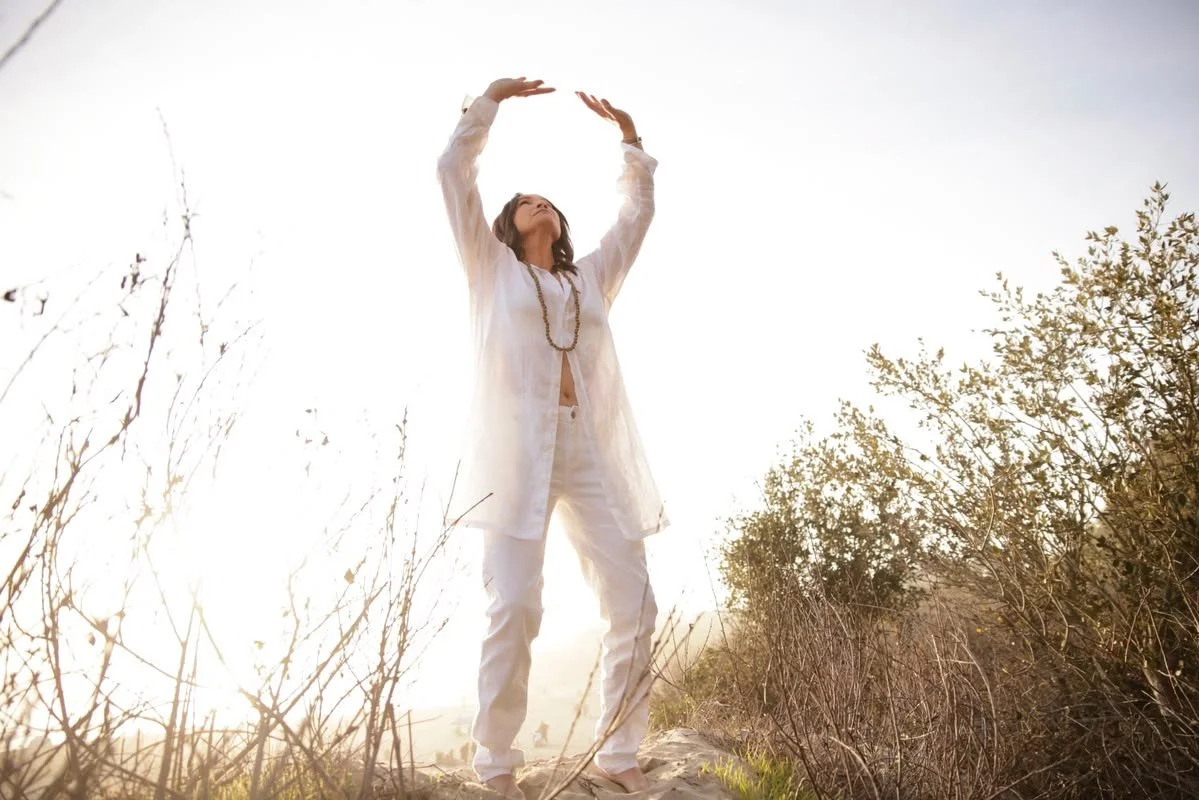
Movement during Lì Dōng turns inward. The principle is to move enough to keep Qi and Blood circulating and warm, without sweating heavily or opening the pores to the cold.
Slow Qigong forms, especially those that gather Qi to the lower Dantian and warm the Kidneys: rubbing the lower back with the palms, the Kidney sound (chuī), the Water element shaking and wave practices.
Gentle, warming yoga and Tao Yin: forward folds that stretch the Bladder channel along the back of the body, hip openers, long holds in supported shapes.
Walking outside in the early daylight, dressed warmly with the lower back and kidneys covered. Twenty to thirty minutes is enough to move the Qi and let the body meet the season directly.
Avoid intense cardio, hot workouts and late-evening exercise. Each of these opens the body when the season asks it to close. In the Fire Horse year especially, heavy sweating in winter spends what the whole year ahead will need.
Sleep becomes a practice in its own right. The classical guidance for winter is to sleep early and rise with the sun. Allow bed before ten if you can. Protect the Kidney hours in the late afternoon, five to seven, as a time to soften rather than push through.
We are part of nature, and our capacity for radiant health rests in following her changing rhythms. This is one of the core teachings of Daoism, and winter is where it becomes most tangible. If life has been running in a straight line, like a racing horse going for the win at all costs, consider letting this season reshape your habits for a while. Right now that means adapting to winter’s energy: eating warm, sleeping longer, protecting the Kidneys, noticing what the body asks for and giving it in kind. In a Fire Horse year this is the season that determins how much of the year’s fire you get to keep.
May these dark months bring you wisdom, stillness and nourishment on every level.
If you feel the pull to go deeper this winter, with guidance, a circle of women and a practice field held across the whole season, I invite you to join me in Into the Yin, my 3-month winter mentorship. Everything in this article is a doorway into it.
You can read about the journey and apply here: